Blog
The Canopy Blog
Research, explainers, and stories from the community funding independent contaminant testing.
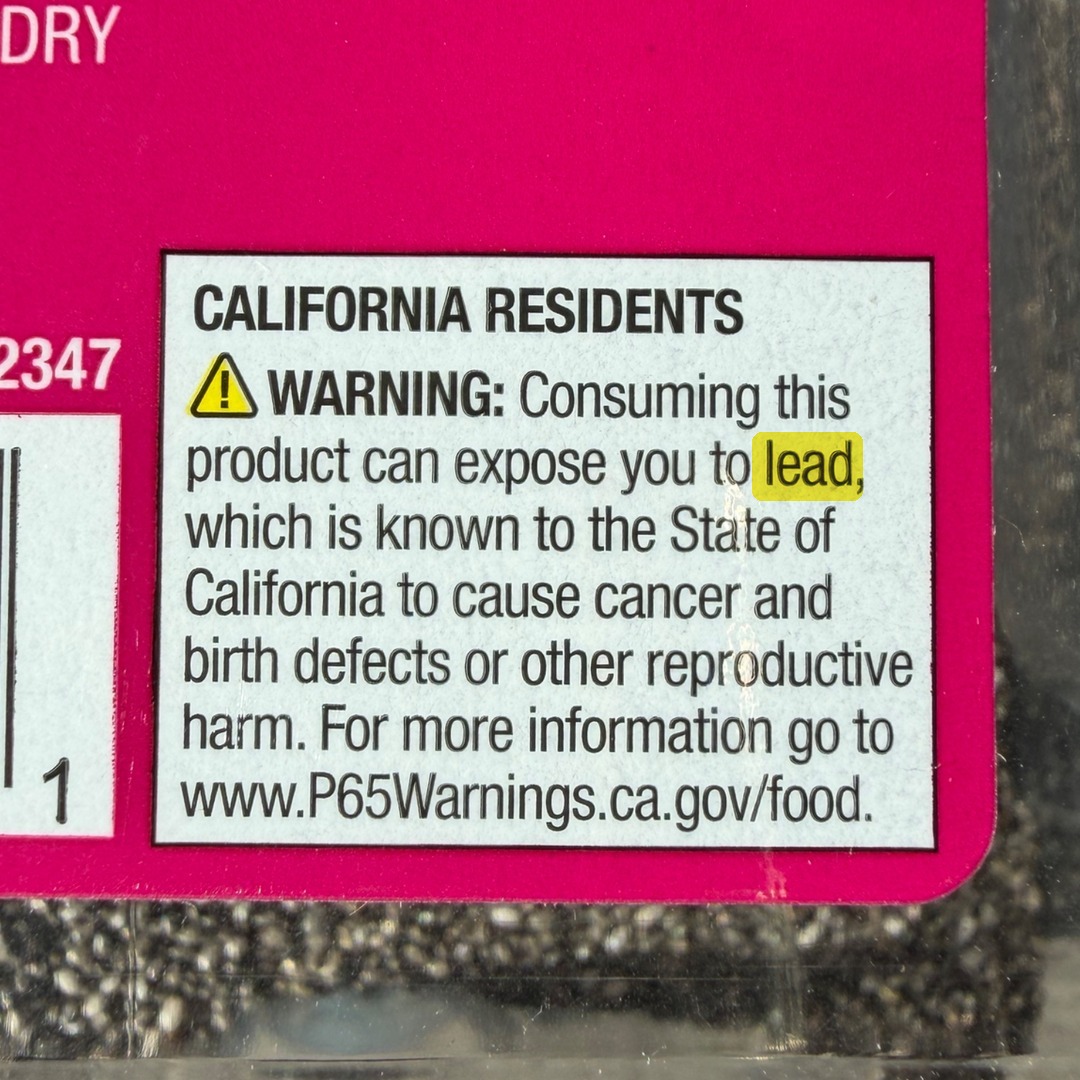
Why I stopped ignoring Prop 65 warnings on food
Kendra on how she reads a Prop 65 warning on food now, and why, with Canopy's heavy metals results for BetterBody Foods chia seeds and four seaweed snacks (Kirkland Signature, Trader Joe's, Bibigo, Gimme Teriyaki).
by Kendra · Oct 13, 2026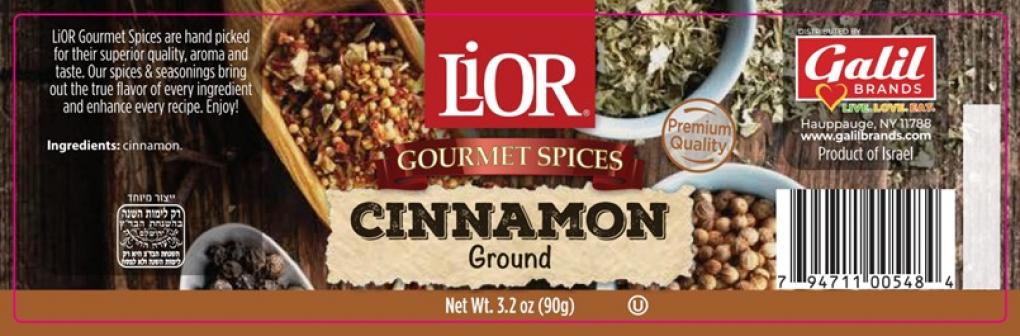
Another cinnamon recall. Here's the whole list.
FDA has flagged more than 20 ground cinnamon brands for lead since 2024. What the list shows, where the 2 ppm line comes from, and what it can't tell you about your jar.
by Canopy · Sep 30, 2026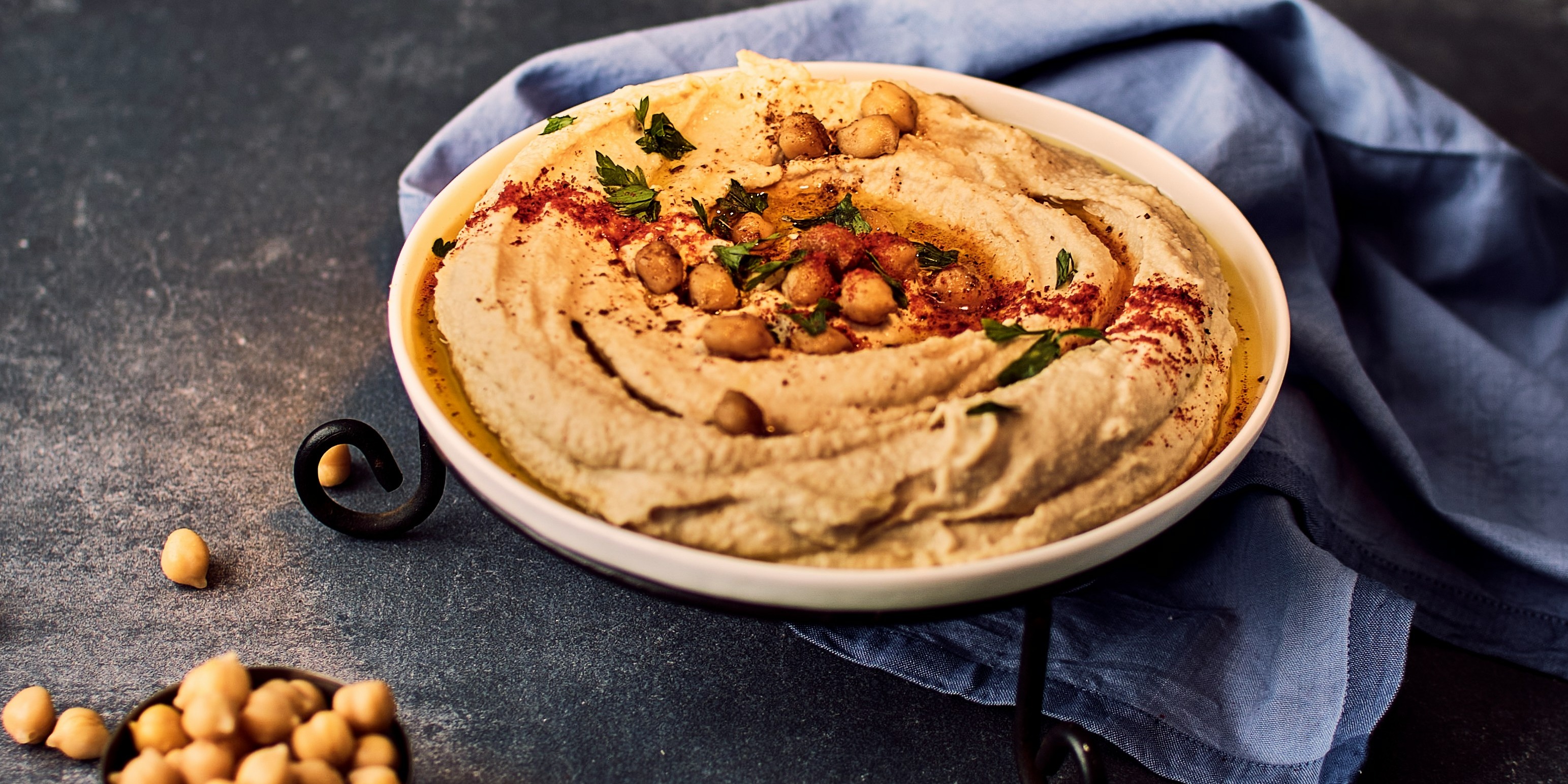
Glyphosate in hummus and oat milk: an unexpected place it shows up, and a certification that held up
Glyphosate (the active ingredient in Round Up) shows up in some unexpected places. Canopy tested hummus and oat milk from popular brands, here's what we found.
by Canopy · Sep 25, 2026
Everything we found on these strawberries is legal. Here's what that does and doesn't tell you.
We tested Driscoll's strawberries for pesticide residue: here's what our box showed, what legal does and doesn't tell you about exposure, and how a serving compares for an adult and a child.
by Canopy · Sep 11, 2026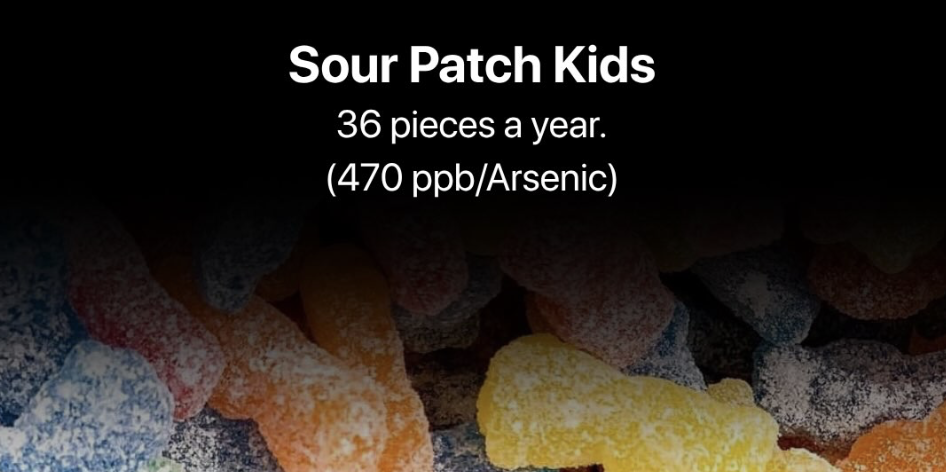
The post says 36 pieces a year. Can you trust that number?
Viral Instagram posts say your kid can only eat 36 Sour Patch Kids a year before getting too much arsenic; the data behind them can't be checked and is far above what FDA and an independent retest found. Four Halloween candies are open for testing on Canopy now, with detection limits, benchmarks, and math shown, so you can get a number you can trust before October 31.
by Kendra · Sep 9, 2026
What a Single Test Can and Can't Tell You
Every result on Canopy right now is a single test. It's a real number from a real sample, and it's worth taking seriously. But it answers a narrower question than people often assume, and it's worth understanding.
by Canopy · Aug 7, 2026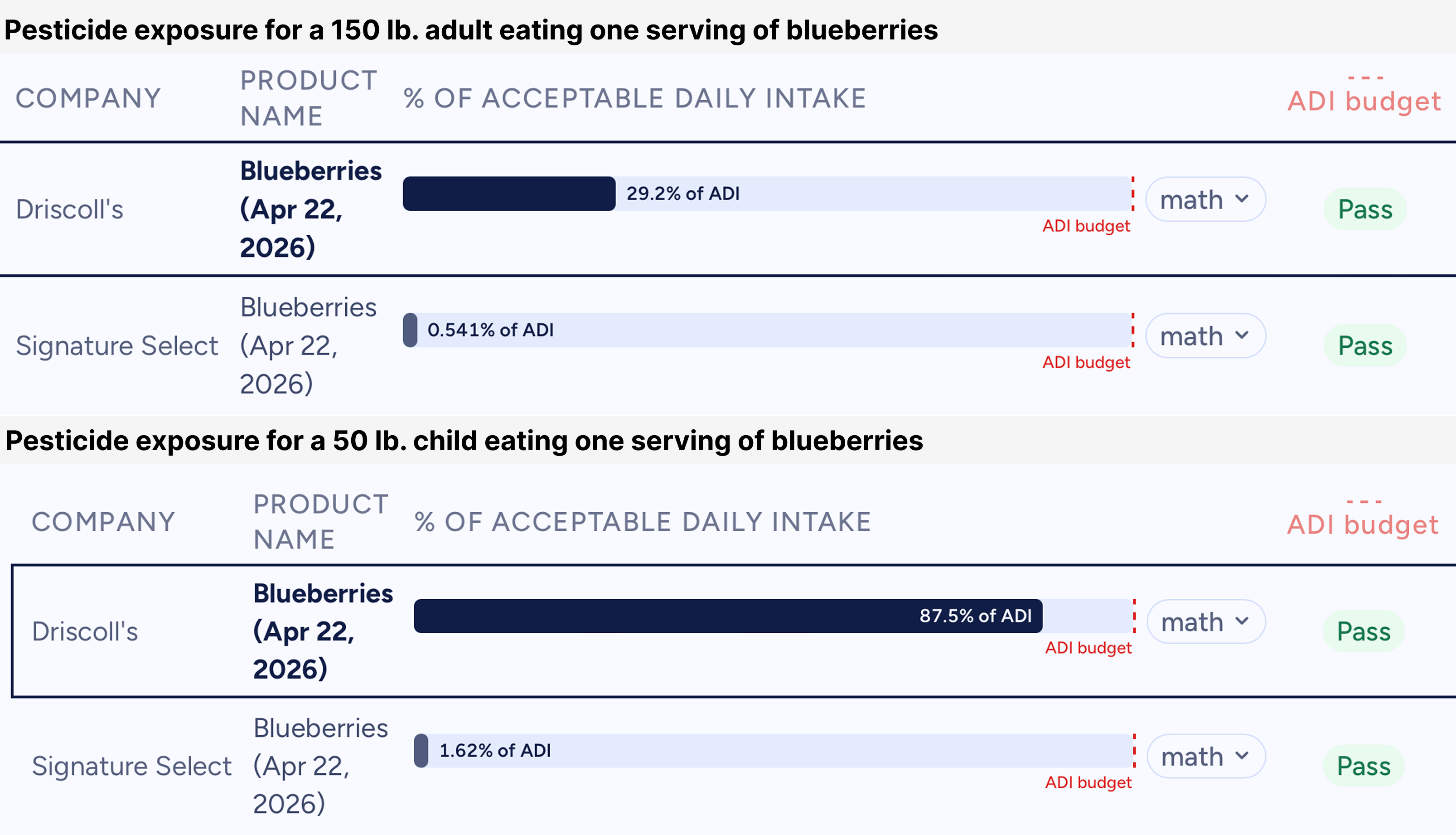
What Organic vs. Conventional Doesn't Tell You About Pesticide Exposure: Our Current Blueberry Data
Blueberries from four brands tested for pesticides show that conventional products can vary more from each other than they do from organic ones, and that the same result can look very different depending on whether it's scaled to an adult's or a child's body weight.
by Canopy · Jul 30, 2026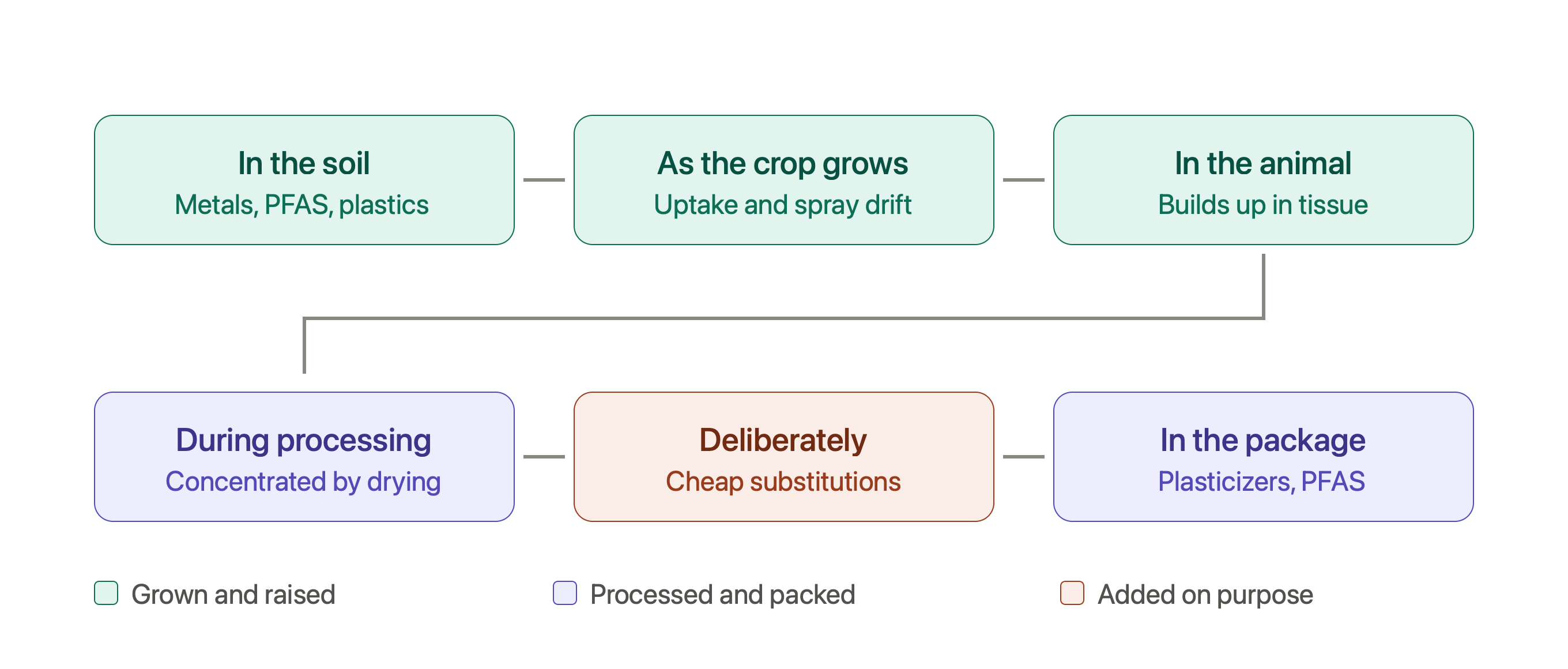
Where Do Contaminants in Food Come From?
Contaminants like heavy metals, PFAS, pesticide residues, and microplastics aren't on any label, because they enter food through how it's grown, raised, processed, and packaged rather than through the recipe. This post walks through where they come from at each step, and why testing is the only way to know what's actually in a given product.
by Canopy · Jul 24, 2026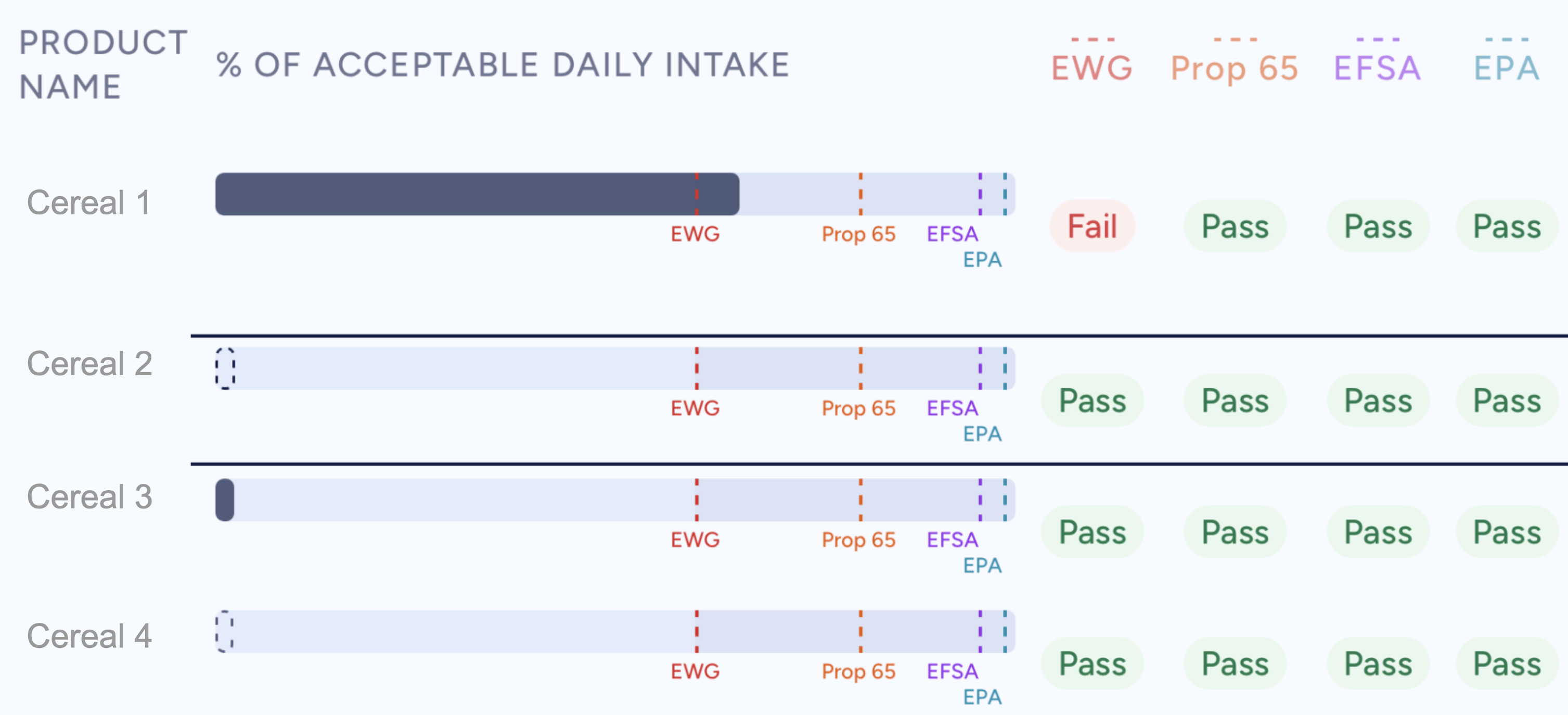
How We Test Food: A Walkthrough Using Our Cereal Glyphosate Data
How Canopy tests food, start to finish: buying products off the shelf, testing them at qualified labs, and displaying the results in context you can use. Our cereal glyphosate data as an example.
by Canopy · Jul 17, 2026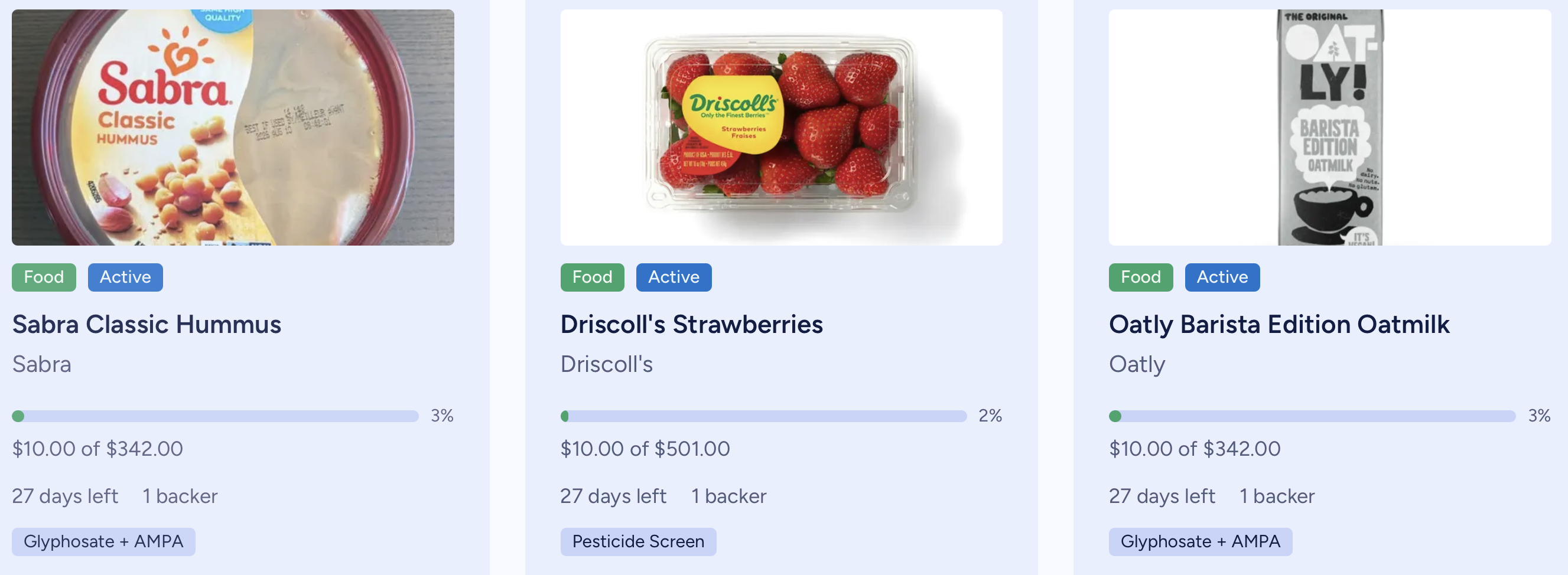
What Are Contaminants in Food — and Why Aren't They on the Label?
Contaminants like heavy metals, PFAS, pesticides, and microplastics end up in your food but never appear on the label — and the only way to know they're there is to test. Here's why the gap exists and how Canopy's community-funded testing helps you choose products with lower contaminant levels.
by Kendra & Hova · Jul 11, 2026